Rock Permeability Prediction (Data Science)

Complex statistical modeling made easy in Python.
Introduction
A Python Machine Learning project for a small geological dataset.
This is a project working out how to model reservoir rock permeability from microscope (thin section) images and make predictions. The typical workflow for a new dataset is explained. However, the public data set is very small and thus it is not easy to obtain good prediction scores. I encourage you to take a look into the Jupyter notebooks and run the routines yourself and let me know if you got better results! This project was developed together with Advanced Data Science with IBM on Coursera.
Video
GitHub Repository
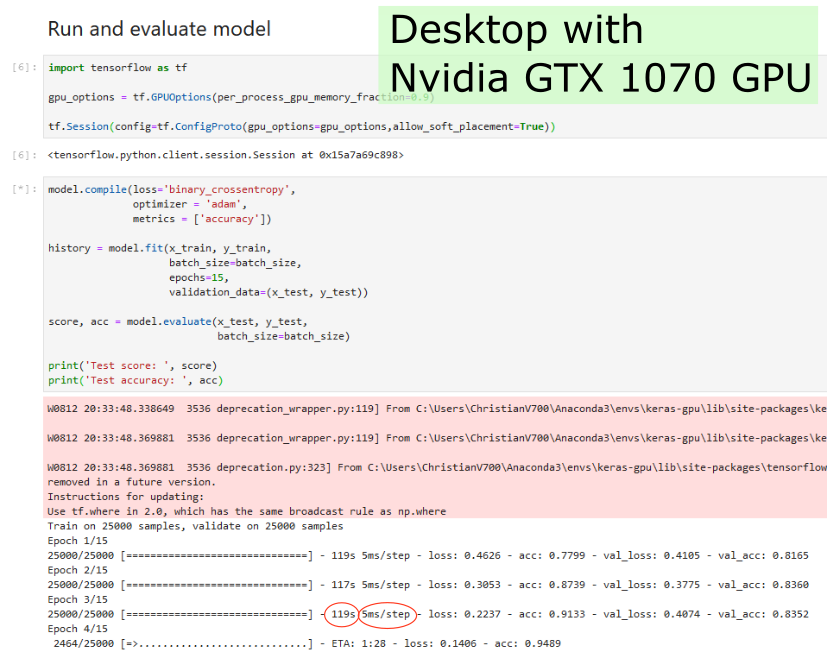
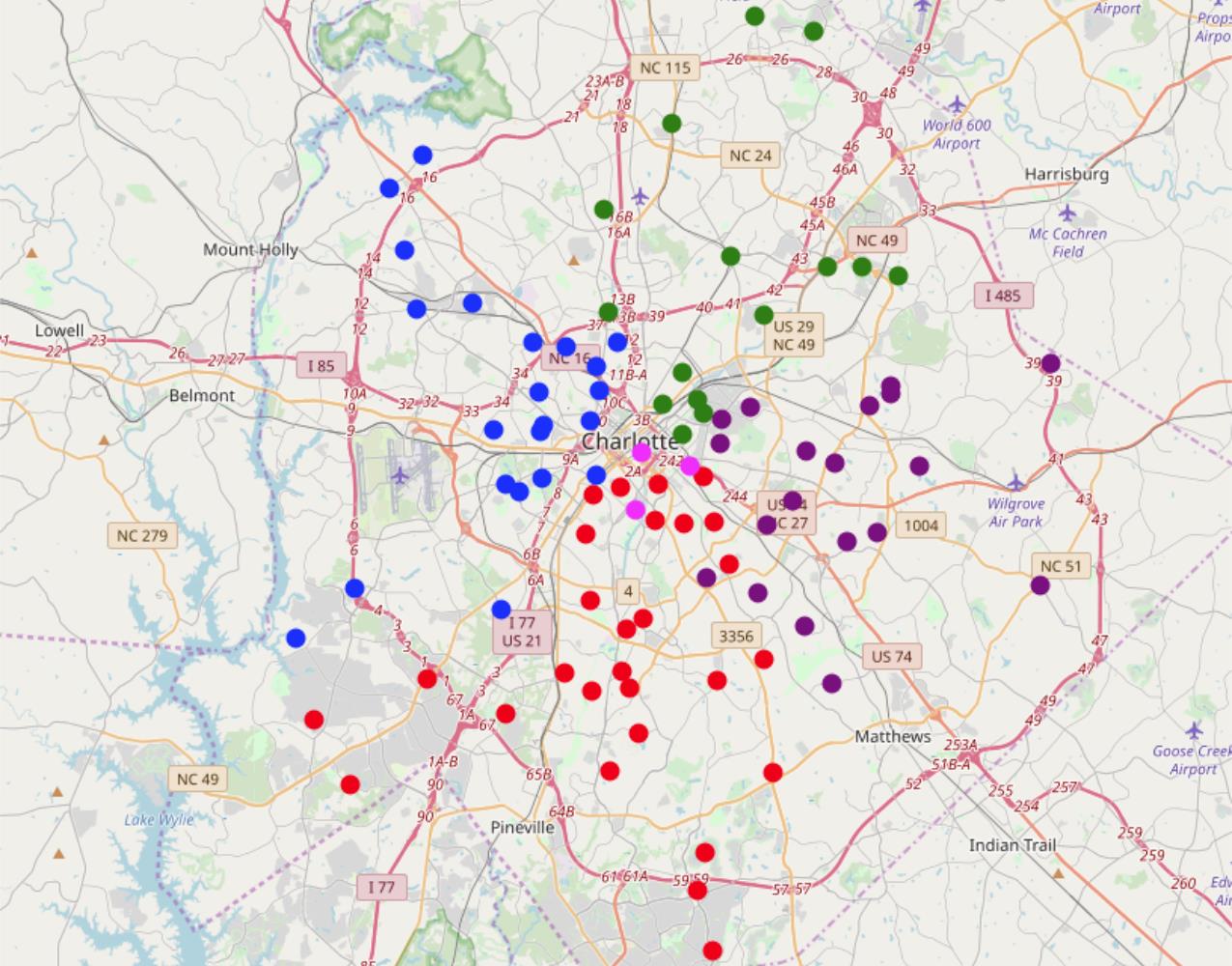
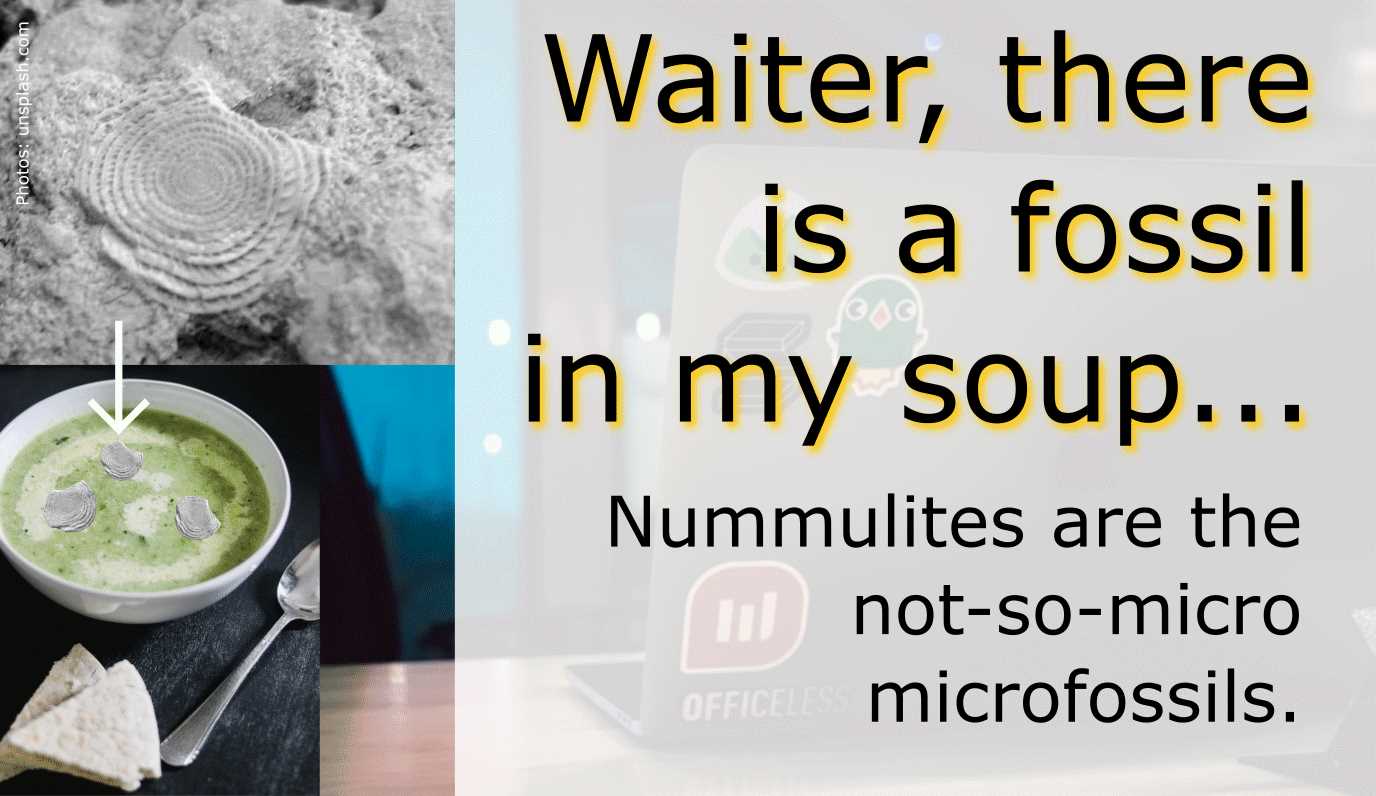
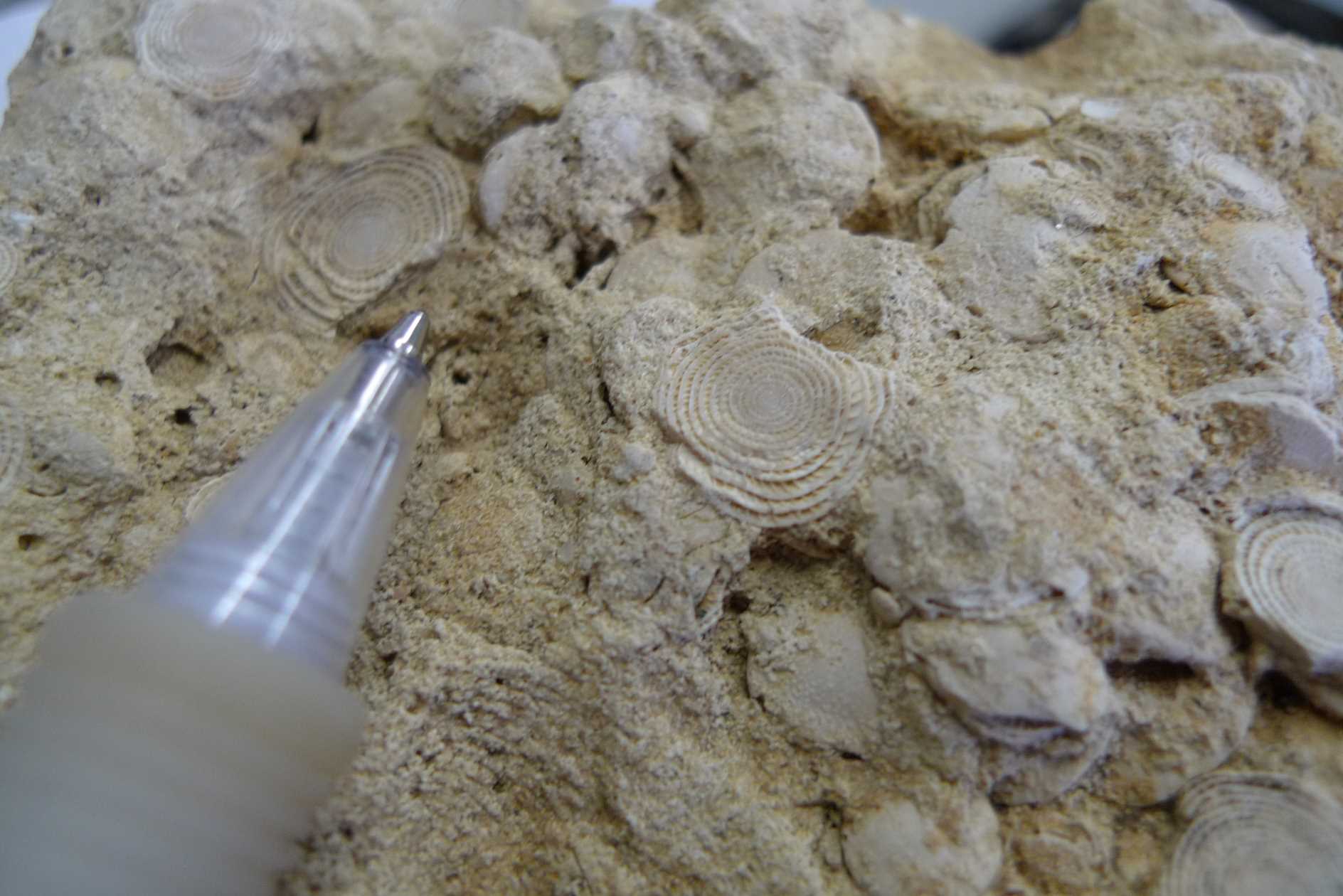
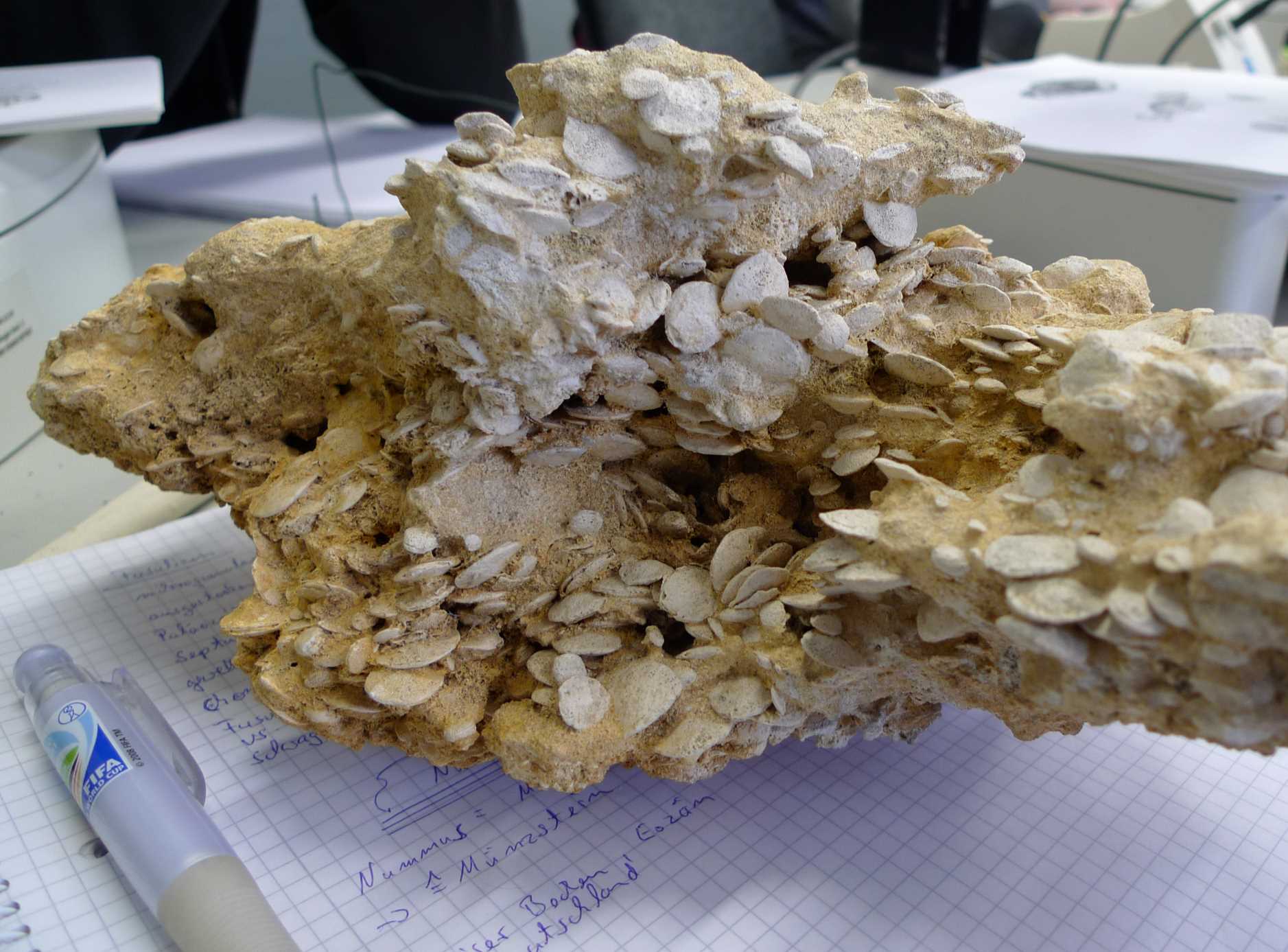
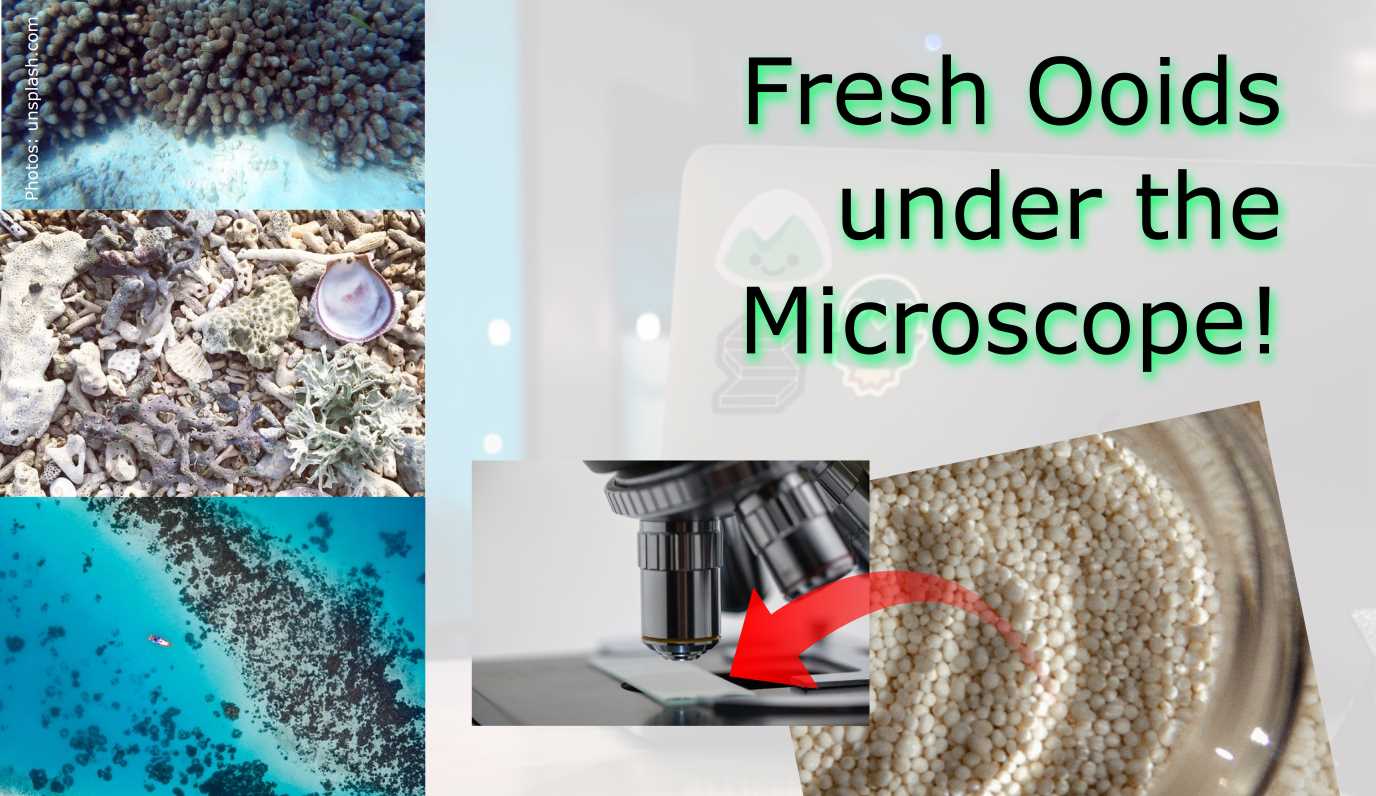
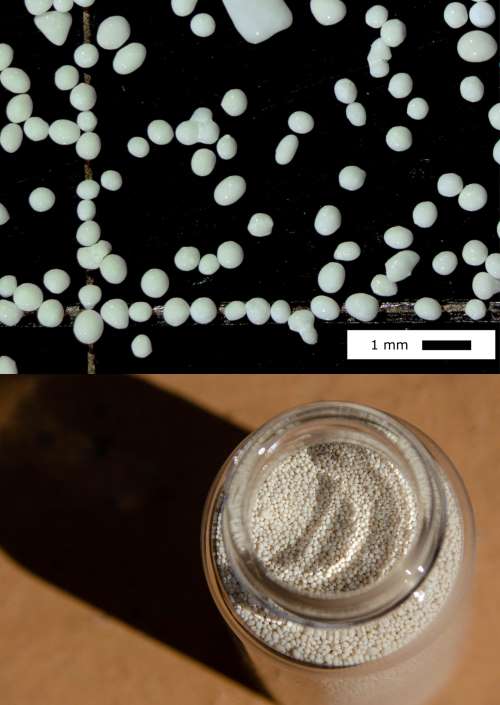
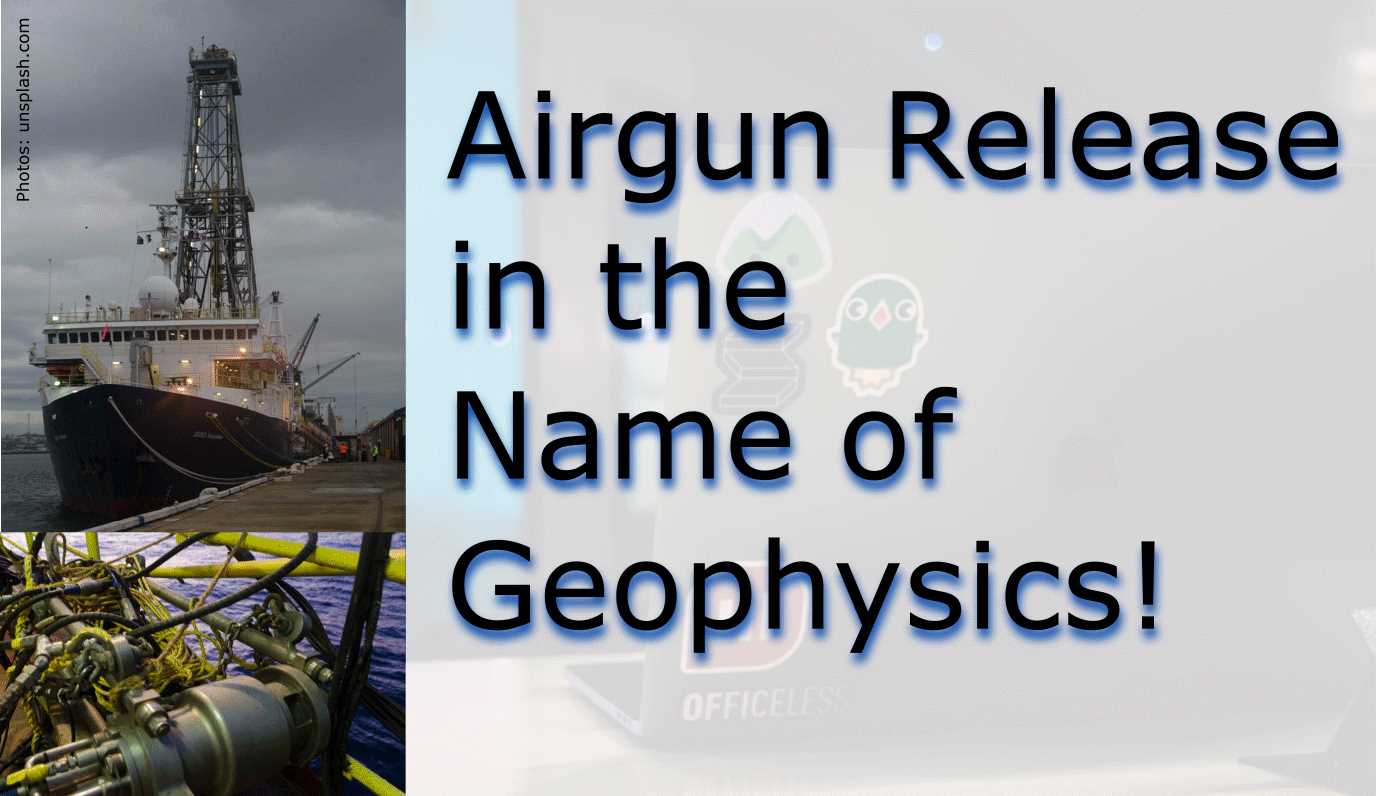
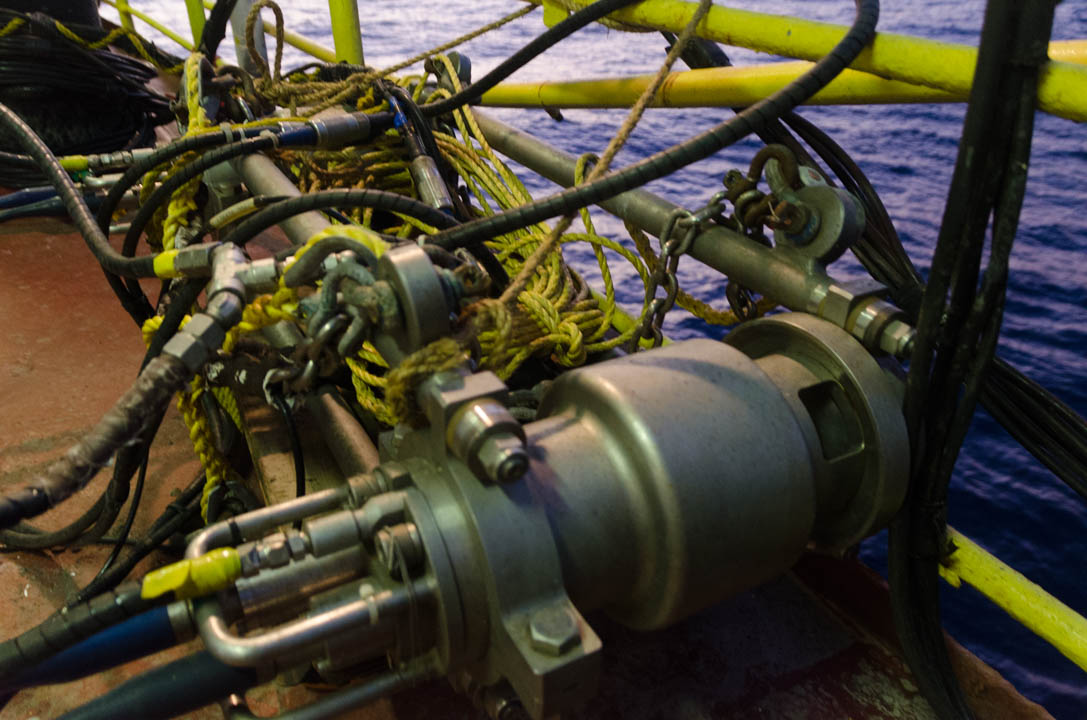
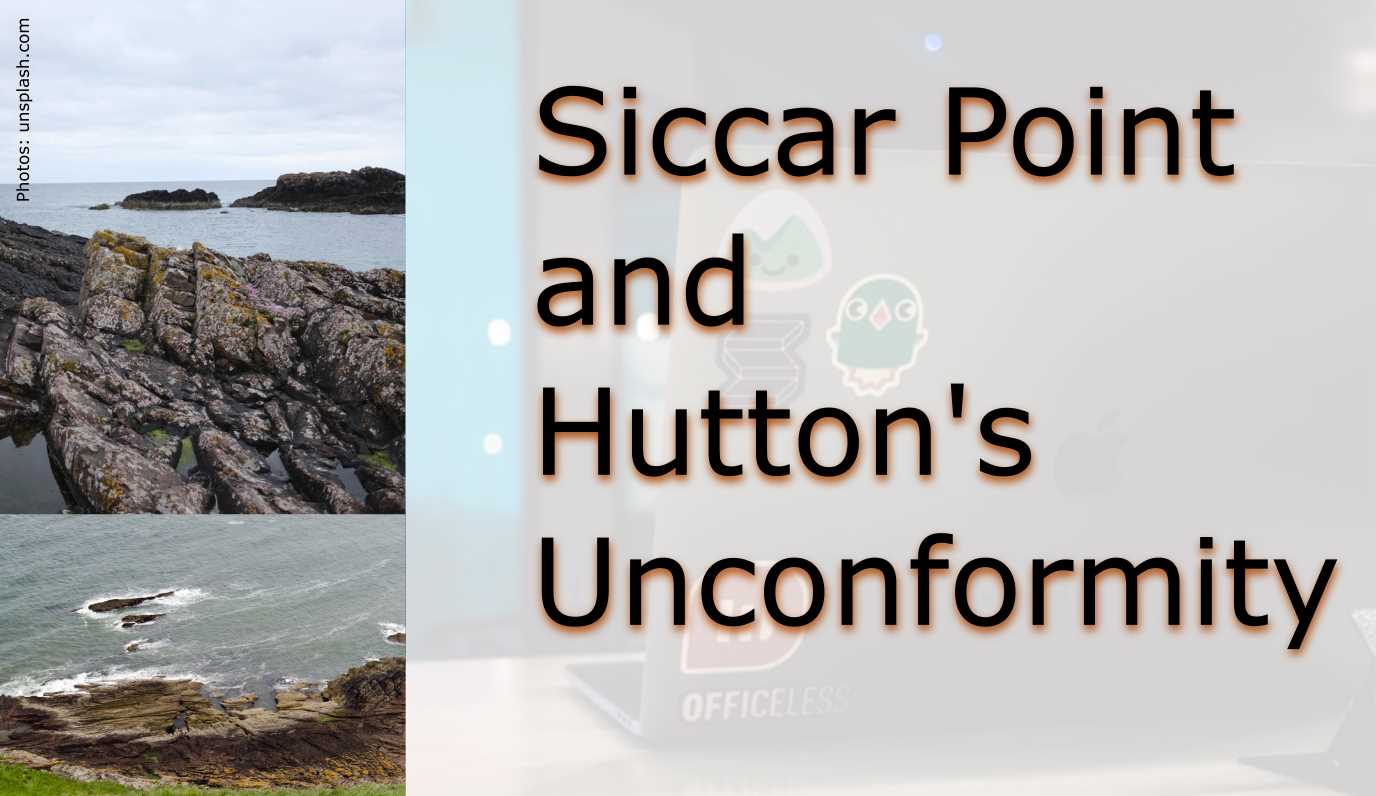
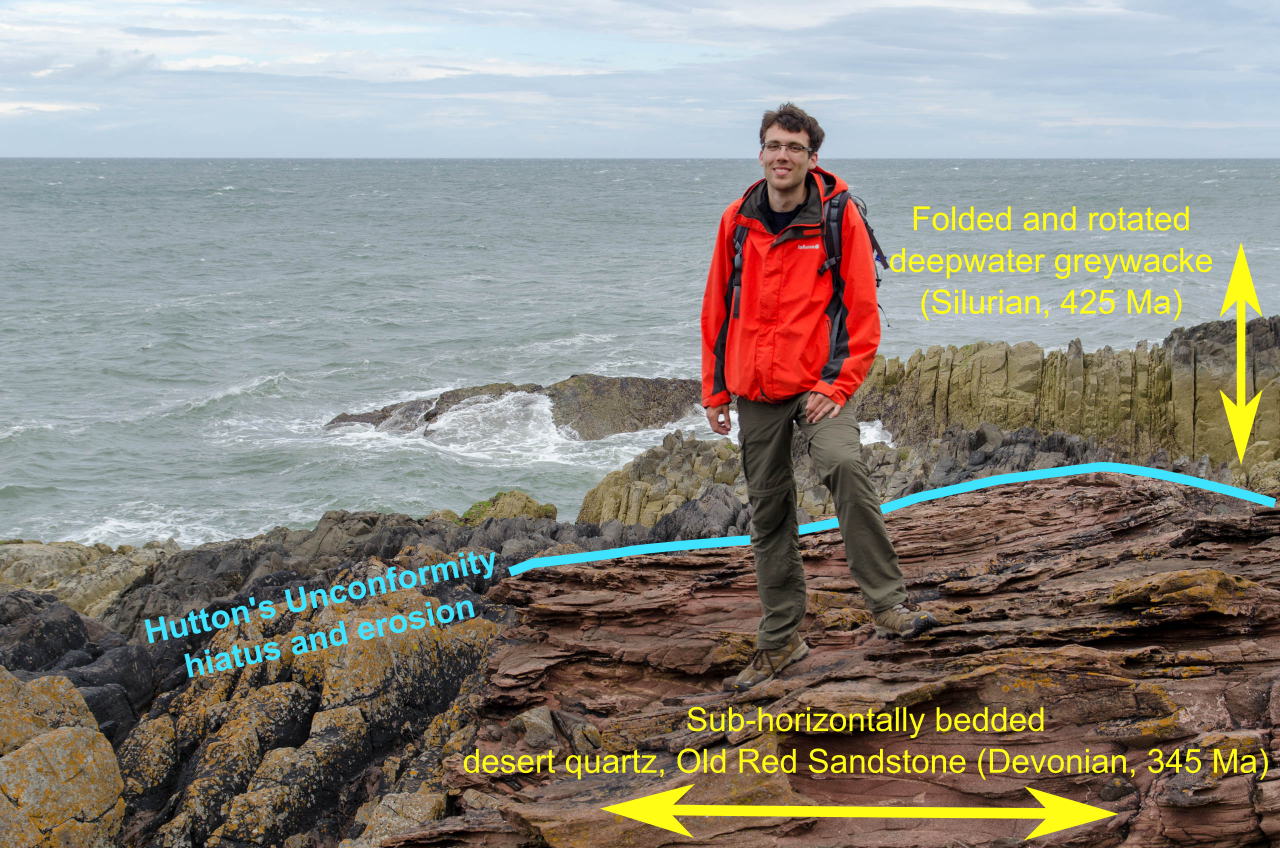
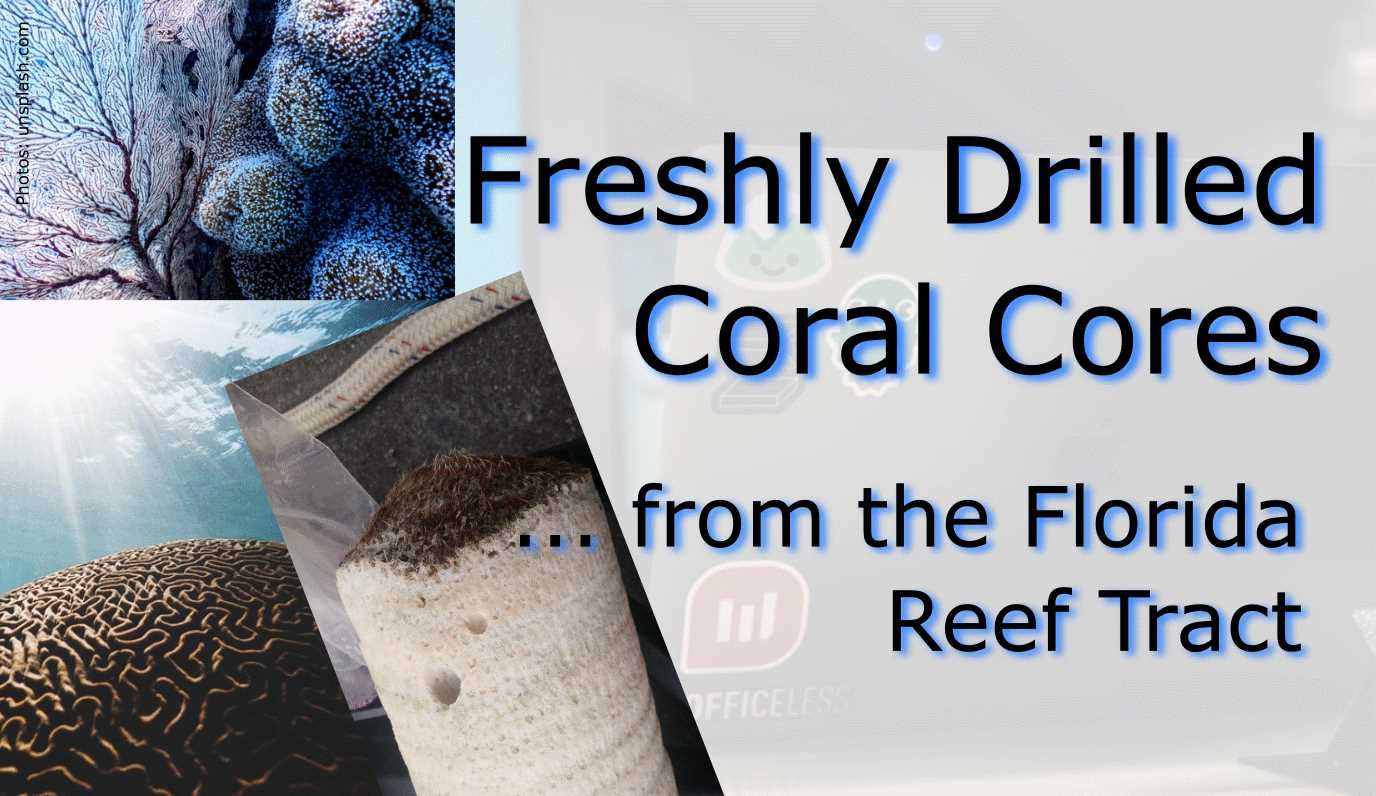
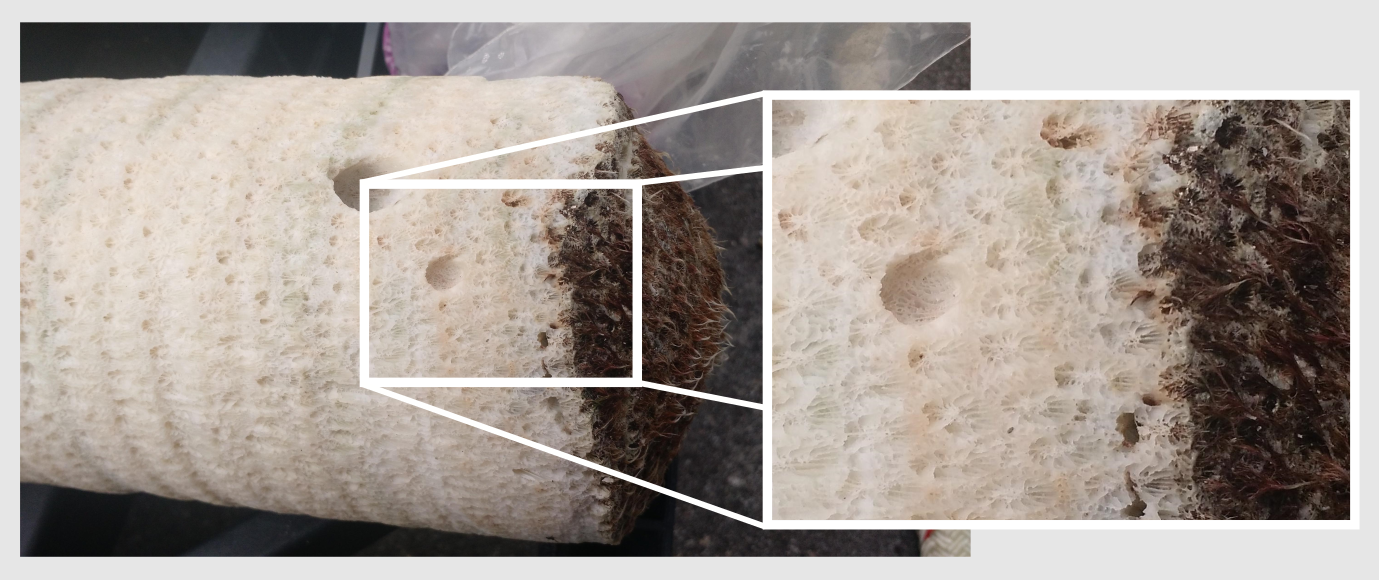
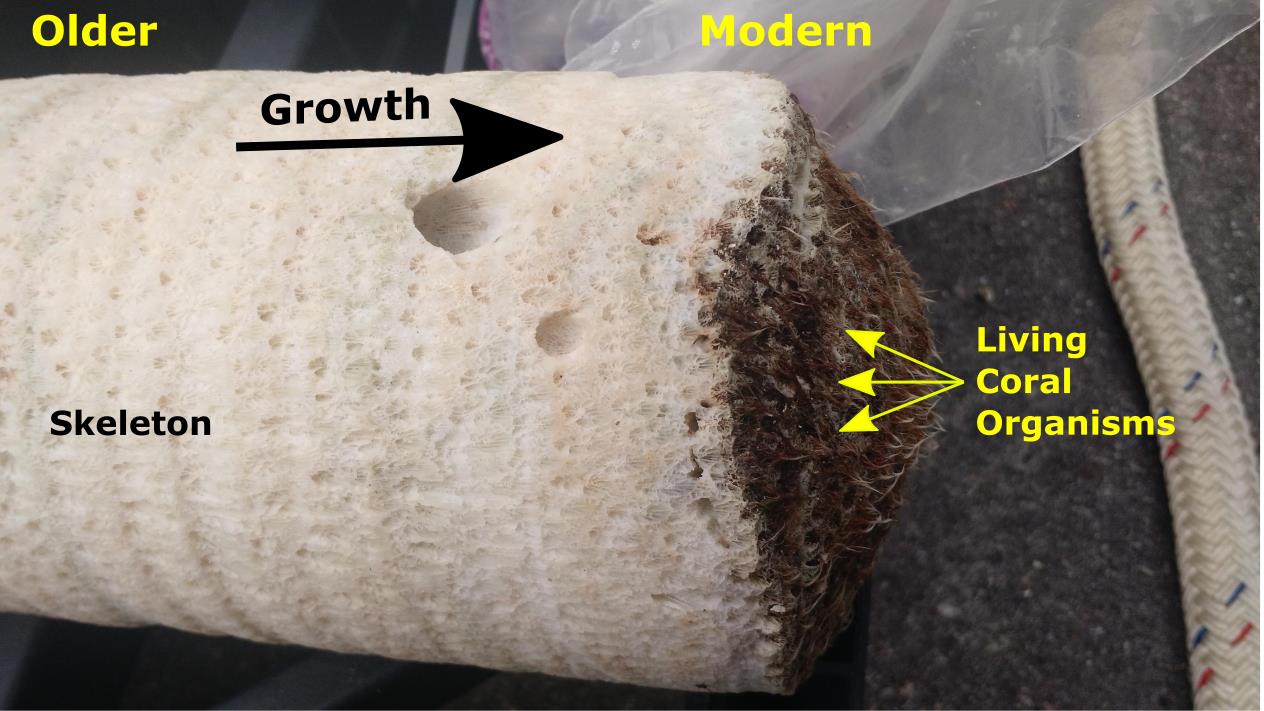
BP Reservoir Permeability – Measurements on rock samples for rock permeability Consider making use of your GPU for massive efficiency gains. When analyzing large data sets and building machine learning models, you will inevitably come across the question of how you want to write your code and then where to execute it. This is an especially important question when you are starting out with your endeavors and learning how the modeling is all done nowadays. Computational power is not part of that question and neither that important for toy examples. A lot of training classes will funnel you directly into their online platforms, touting free access and fully managed backends. This takes a lot of work off your hands that you would otherwise have to commit to setting up the environment, curating libraries, worrying about compatibilities etc. Great! Nevertheless, when you start using Neural Networks, you may want to give your own workstation a shot at crunching the numbers. It may pay off. For comparison, I ran the same Jupyter notebook with a Keras sequential model once on IBM Cloud Watson Studio (free tier) and once on the workstation under my desk. The data set is the IMDB sentiment analysis provided pre-processed by Keras and is of moderate size. Here is what I experienced: e.g. IBM Watson Studio, AWS SageMaker Cons Pros The GPU takes 5 milliseconds per step and 119 seconds (~2 minutes) per epoch. This adds up to 1,785 seconds or ~30 minutes for the training process. Cons Pros Neural Networks are calculation intensive tasks that can take hours to days to train depending on the number of samples and model design. The example above indicates that your training can be expedited by many hours (57x faster) by running it on your GPU. The saved time more than compensates for the time spend in setting up Python on your workstation. Even older GPU models by Nvidia will do great and do not require the investment in an RTX 3090 or professional grade board. Free tiers of online platforms such as IBM Watson Studio provide you with CPU power that does not harness the power of GPUs, resulting in long processing times. Of course, if you invest in a higher tier, that may be alleviated with more CPU cores. Or you may directly migrate your code to an advanced library that can address an Apache Spark Cluster, which can deal with industrial-scale amounts of data. But that may be beyond your scope. Meanwhile, your small workstation will save you a lot of time. Spatial analysis and clustering in Python. Shopping malls in the U.S. have received their greatest popularity in the 1970s and 1980s in the and since then investment has stagnated. Numbers of shopping malls exploded beyond the sustainable in many cities. Additionally, today’s brick-and-mortar businesses face the online competition. Despite that many brands meanwhile have successful online stores; the companies wish to remain physically present in their customer’s memory daily life. Despite such a difficult situation, how does the market look like if we use publicly available data and a little bit of number crunching?……. Keep on reading on the link below. Jupyter Notebook Nummulites are the not-so-micro microfossils. Nummulites are a branch of the foraminifera that grow very large. Unlike other genera that can be on the order of 100 μm, these foraminifera grow >1 cm in diameter and are easy to spot with the naked eye. Nummulite fossils are a common occurence in Paleogene carbonate rocks in the Arabic Peninsula, and Mediterranean (“nummulitic limestone”). Hence, it is no surprise that the ancient Greeks, such as the historian Herododuts (5th century BC), had their ideas but no understanding that they were fossilized single-celled marine organisms. Since the flat, round shape of the Nummulite test closely resembles coins, it was a short line of thought to make the connection. In fact, the word “Nummulites” is the diminutive form of the Latin nummulus meaning “little coin”. However, the hand pieces depicted above and below have a different story to tell. The rock is Egyptian limestone that stems from a quarry from where the ancient Egyptian Pharaohs mined rocks for their pyramids. The same limestone - chock full of nummulites - was also used for the construction of the Great Pyramids. Herodotus visited the Great Pyramids and documented what he saw. His conclusion was that they were petrified lentils dropped by the laborers who built the pyramids. So if you have a lentil soup in your garden, please clean up after yourself so that the scientists of the future have it easier and can cross out at least one hypothesis. It is common that nummulite tests will split in half along the long axis so that all the chambers and complex chamberlets become visible (see in figure above). If you have an intact nummulite test and want to split in half as on the photo above, you can try the following: If you are lucky, there will be some differential expansion and the test will come apart smoothly. Feature on student and early career research in SEPM I’m very honored to have been featured in an SEPM Research Spotlight. Read more in link below. SEPM website Ooids are small carbonate grains formed in shallow, tropical seas. Ooids are small, well-rounded carbonate grains formed in warm, shallow waters with sufficient agitation. These Bahamian ooids were filled into snap caps on a recent field trip as an example for our lab and geology students. Shallow-water coral reef limestones and oolites (rocks made up of ooids) can be excellent hydrocarbon reservoirs due to their coarse skeletal constituents, large pore spaces, and easy dissolution opening up new pore spaces (but sometimes also precipitation!). Fun fact: First time getting exposed to oolites in my life as geologist was a Jurassic formation in southern Germany, a location where oolites were first described in the 1500s. The geologists described the texture to look like fish eggs (roe). Seismic surveying offshore requires an airgun as pressure source. Seismic surveying offshore requires an airgun as pressure source. The device has a pressure chamber, which is continuously loaded and released in an instant. The release causes a pressure wave travel trough the water column down to the sea floor and throug the rock layers. In this experiment, the hydrophone was lowered into the borehole and the one-way travel time can be measured. Typically, in most surveys there are no boreholes available and the two-way-travel time can be measured from hydrophones straming behind a survey vessel. In this instance IODP Expedition 356 conducted a Vertical Seismic Profile (VSP) In a VSP experiment, a borehole seismic tool (VSI) is anchored against the borehole wall at regularly spaced intervals and records the full waveform of elastic waves generated by a seismic source positioned just below the sea surface. These “check shot” measurements relate depth in the hole to traveltime in reflection seismic profiles. The VSI used on the ship contains a three-axis geophone. In a VSP survey, the VSI was anchored against the borehole wall at approximately 25 m station intervals (where possible), with 5–10 air gun shots typically taken at each station. Quote from: IODP Expedition 356 Proceedings Siccar Point is one of geology’s iconic locations. Siccar Point (East Scotland) is an important type location where intellectual progress was made by James Hutton (1726-1797). At ´Hutton’s Unconformity´ two very different rock formations are coming together at very crass angles. The older rock, a Silurian deep-water greywacke, was uplifted, folded, and eroded during a period of ~50-80 million years before the younger Devonian Old Red Sandstone was deposited on top. In fact, the Old Red Sandstone contains some greywacke lithoclasts. You should consider making this outcrop part of your next visit to Scotland not only because of its beauty, but also because of its significance for geology as a #science in general. This iconic outcrop is considered to have spurred modern geologic thinking how deposition, folding, and erosion work. Furthermore, Hutton also used Siccar Point as a prime example to proof how much time is stored in the rock record contrary to previous assumptions. The Geological Society’s 100 Great Geosites: Siccar Point Coral skeletons are drilled for geochemical studies. The coral reef workgroup came back with Florida Keys cores and I took the opportunity to have a look at them before go into the laboratory for processing. Looking closely, you can trace the coral polyp growth direction and even the transition from living coral to clean skeleton. Insight: the living part of the coral is only a thin outer skin. Further down the core individual polyp cavities become rock porosity. This skeleton is biomineralized from sea water and incorporates and preserves trace elements and stable isotopes from the time the coral was alive. Taking geochemical samples across the core allows us to recreate a detailed history of these trace elements. These trace elements act as proxies for various parameters such as water temperature, salinity, nutrient availability, upwelling, polar ice volume etc. These cores are not easily obtained anymore today, since coral reefs are in a bad conditon in the Florida Reef. A lot of permiting is required to justify core extraction. Fun fact: In the old days, several decades ago, it was common for researchers to use explosives to get large chunks of corals to study. USGS scientists drill a coral core in the Florida Keys Woodshole Researchers on Coral Coring campaign Don’t wait for hours (when Deep Learning training)
Introduction

Cloud-based Instance
Workstation with GPU (single node)
Conclusion
Shopping Mall distribution and possible future development in Charlotte, North Carolina, U.S.A. (Data Science)
Introduction
Article on LinkedIn
GitHub
Waiter, there is a fossil in my soup...
SEPM Spotlight

Links
Fresh Ooids under the Microscope!
Airgun Release in the Name of Geophysics!
Play on Youtube
Siccar Point and Hutton's Unconformity
Further reading
Freshly Drilled Coral Cores ... from the Florida Reef Tract
Further reading
Pagination